

Best iPhone Fold Cases: What to Look For
Apple's first foldable is coming. From the team that designs cases for every Samsung fold, here's exactly what to look for in an iPhone Fold case — and how to be first...
 Editorial
Cases engineered
for the fold.
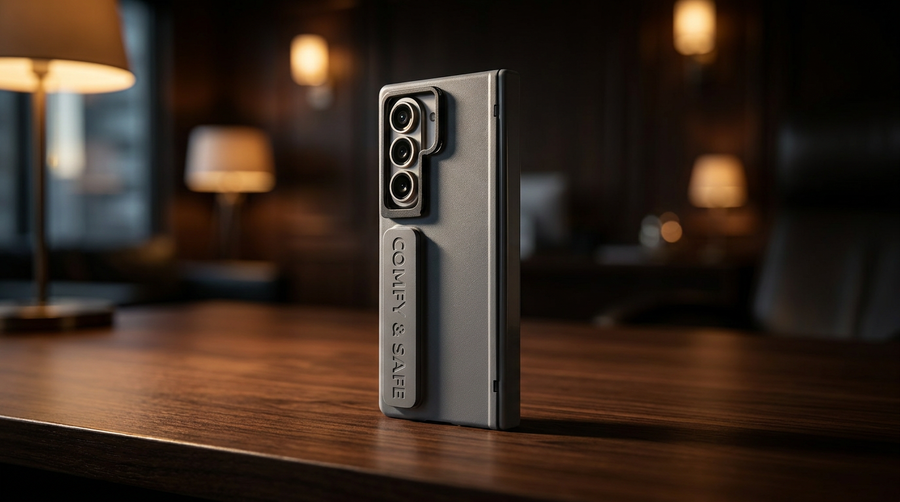
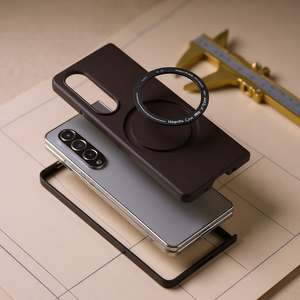
21 foldable-specialist designs — magnetic, hinge-cover, slim & S-Pen — each moulded to your exact model, not adapted from a slab-phone case.
Shop all 21 cases Swipe to explore →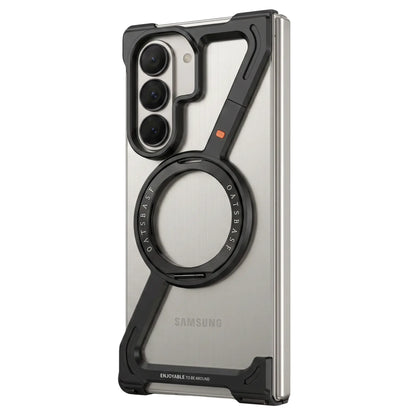
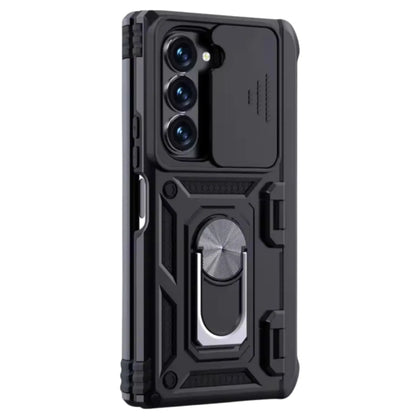
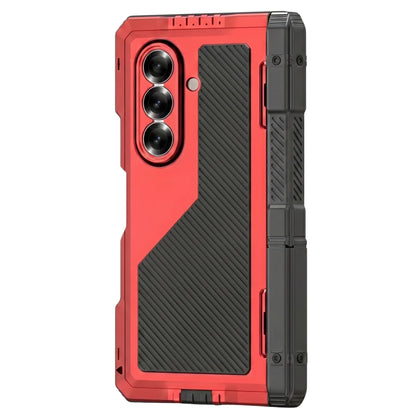
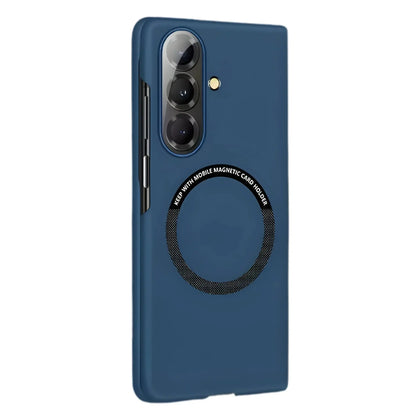
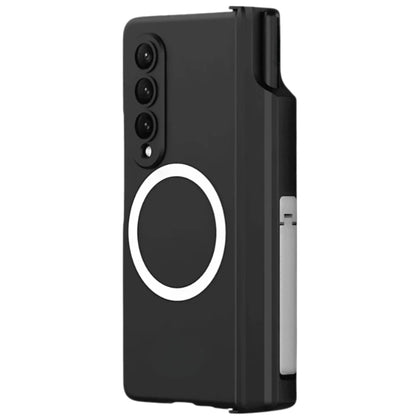
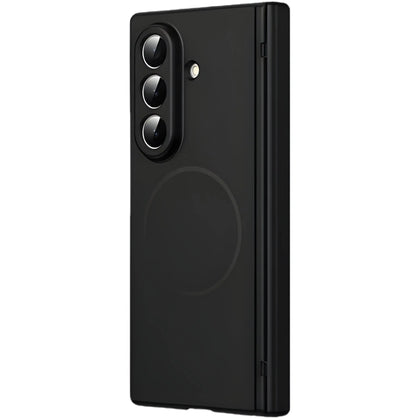
Heads up: Apple hasn't released a foldable yet. An “iPhone Fold” is widely expected to be Apple's first folding phone, with most supply-chain analysts pointing to a late-2026 to 2027 launch. That means nobody has a real, fit-tested iPhone Fold case yet — anything you see today is a render or a guess. This guide is what to actually look for, written by people who design foldable cases for a living. Add your email and we'll tell you the moment legitimate cases exist. Last updated 15 June 2026.
When Apple ships its first foldable, the internet will flood with “iPhone Fold cases” overnight — most of them generic shells moulded from leaked CAD files, with cutouts in the wrong place and no idea how the hinge actually behaves. We know, because we've watched it happen with every Samsung foldable since 2022. FoldifyCase designs cases exclusively for folding phones — measured with calipers against the real device at teardown, never adapted from a slab-phone case.
So this isn't an Apple rumour post. It's a foldable-case engineer's checklist: the things that separate a case that protects a $2,000+ folding phone from one that quietly lets dust into the hinge. Read it before you buy anything — and if you want us to tell you when real iPhone Fold cases land (possibly ours), join the waitlist below.
iPhone Fold waitlist
Be first to know at launch
No spam, no renders, no vaporware. When real, properly engineered iPhone Fold cases exist — possibly ours — you'll get one email. That's it.
Join the list and we'll also share what to look for, so you don't waste money on the first round of junk cases.
The short version
Apple's first foldable is rumoured for late 2026 to 2027. There are no real iPhone Fold cases yet — only renders. When you can buy one, the five things that matter most are: a truly exposed hinge (never bridged), independent protection for both screens, a precise camera cutout, balanced weight across the fold, and genuine MagSafe alignment (Apple's foldable should have real magnets built in, unlike Samsung). Don't buy a “universal” foldable case, and don't buy before the phone is in reviewers' hands.
By Priya Nair · FoldifyCase foldable case design team · Last updated 15 June 2026
When is the iPhone Fold coming out?
Apple hasn't confirmed a foldable, so treat everything here as rumour. The current supply-chain consensus, from analysts like Ming-Chi Kuo and display-industry reports, points to:
- Launch window: a first foldable in late 2026, possibly slipping to 2027 — Apple's usual September iPhone window is the most-cited target.
- Form factor: a book-style fold (like the Galaxy Z Fold), with a roughly 7.8-inch inner display and a ~5.5-inch cover screen.
- Build: a titanium frame and a hinge engineered to minimise the crease — reportedly Apple's biggest hardware obsession for the device.
- Price: premium even by Apple standards — rumours cluster around US$2,000–2,500.
- Biometrics: likely a side-button Touch ID rather than under-display Face ID.
None of this is official. But the form factor is the part that matters for cases — and a book-style fold raises exactly the same engineering problems we solve on every Galaxy Z Fold.
Why an iPhone Fold case is different from a normal iPhone case
A regular iPhone is a sealed slab: a case just has to wrap five flat surfaces. A foldable is a moving machine with a hinge, two screens, two thicknesses (folded and unfolded), and an uneven weight distribution. Get the case wrong and you don't just lose protection — you can actively damage the phone. Here's what changes:
- The hinge moves thousands of times. A case that wraps or bridges the hinge fights the mechanism every fold.
- There are two screens to protect, with different risks: the cover screen takes table drops, the inner screen takes pressure and debris.
- The folded edge is the weak point. Most foldable drops land hinge-first.
- Weight is asymmetric, so a case has to balance the phone, not just clad it.
What to look for in an iPhone Fold case
This is the checklist. It's the same one we apply to every foldable we design, and it will transfer directly to Apple's hardware.
1. A truly exposed hinge — never bridged
The single most important rule. A foldable case must leave the hinge completely open and must not wrap across the spine. Bridging the hinge stresses the folding mechanism over thousands of cycles and traps heat. Look for a genuine two-piece design with a deliberate gap at the spine — not a one-piece shell or a folio that folds around the hinge.
2. Independent protection for both screens
The cover display and the inner display fail in different ways. The cover screen needs a raised lip (1–1.5 mm) so it survives face-down drops. The inner screen needs raised bezels around its edges and a case that doesn't put any pressure on the panel when closed — pressure marks and trapped debris are the number-one inner-screen killer on foldables.
3. A precise camera cutout
Foldable camera islands sit proud of the back and scratch easily. The cutout has to be machined to the exact island, with a raised ring at least 1 mm above the case surface. A cutout that's even slightly off — common on cases moulded from leaked CAD before the device ships — leaves the lenses exposed or vignettes ultrawide shots.
4. Balanced weight and in-hand feel
A foldable is heavy and unevenly weighted. A good case adds rigidity to the folded device (foldables feel floppy without one) without making it a brick. Watch the folded thickness in particular: a case that's fine unfolded can make the closed phone uncomfortably thick in a pocket.
5. Real MagSafe alignment (this is where Apple differs)
Here's an interesting twist. Samsung foldables don't have magnets — our Galaxy cases add them. Apple, by contrast, will almost certainly build real MagSafe magnets into the iPhone Fold. That changes the case's job: instead of adding a magnet ring, it has to not block the phone's own magnets and keep them aligned through the case. Look for cases explicitly built around the phone's MagSafe array, with verified snap strength.
6. Fit precision — avoid “universal” foldable cases
There is no such thing as a one-size foldable case. The dimensions, hinge geometry, and camera layout are unique to each model. Any case advertised as fitting “all foldables” or available before the phone is in reviewers' hands is guessing. Wait for a case measured against the shipping device.
7. Drop protection for an unproven, first-generation hinge
A brand-new hinge from any manufacturer — even Apple — has no long-term field record on day one. For the first months of any first-generation foldable, choose more drop protection than you think you need, especially around the hinge and corners, until the mechanism has proven itself.
What we've learned designing for every Samsung fold
Every principle above came from shipping cases for the Galaxy Z Fold and Z Flip lines — and fit-testing each new model within days of teardown. The engineering transfers: a book-style foldable is a book-style foldable, whether the logo is Samsung or Apple. If you want to see how we apply this today, our current range is built on exactly these rules:
- Best Galaxy Z Fold 7 magnetic cases (2026) — how we handle magnets and MagSafe-style alignment on foldables.
- Best Galaxy Z Fold 7 hinge cover cases (2026) — our deep dive on protecting the hinge without bridging it.
- Specialist vs generalist case brands — why generalists are always late and imprecise on new foldables.
Will Samsung Galaxy Z Fold cases fit the iPhone Fold?
No. Even though both are book-style foldables, the iPhone Fold will have completely different outer dimensions, hinge geometry, button placement, and camera layout. A Galaxy Z Fold case will not align with any of it. When the iPhone Fold ships, it will need cases designed and moulded specifically for it — which is exactly what we'll tell you about if you're on the waitlist.
iPhone Fold waitlist
Tell us to notify you
We're weighing up whether to bring our foldable case engineering to the iPhone Fold. Add your email — your interest helps decide, and you'll be first to buy if we do.
iPhone Fold case FAQ
When is the iPhone Fold coming out?
Apple has not confirmed a foldable. Supply-chain analysts currently expect Apple's first foldable iPhone in late 2026, possibly slipping to 2027, most likely in Apple's usual September launch window. Treat all dates as rumour until Apple announces.
How much will the iPhone Fold cost?
Rumours cluster around US$2,000 to US$2,500, which would make it Apple's most expensive iPhone and one of the priciest foldables on the market. Final pricing is unknown until launch.
Will the iPhone Fold have MagSafe?
Almost certainly yes. Unlike Samsung foldables, which have no magnets and rely on the case to add them, Apple builds MagSafe magnets into its phones. That means an iPhone Fold case should be designed to keep the phone's own MagSafe array aligned and unobstructed, rather than to add a separate magnet ring.
What should I look for in an iPhone Fold case?
The five most important things are a fully exposed hinge that is never bridged, independent raised protection for both the cover and inner screens, a precise camera cutout, balanced weight across the fold, and proper MagSafe alignment. Avoid any "universal" foldable case, and avoid any case sold before the phone reaches reviewers.
Will Samsung Galaxy Z Fold cases fit the iPhone Fold?
No. Although both are book-style foldables, the iPhone Fold will have different dimensions, hinge geometry, button placement and camera layout. A Galaxy Z Fold case will not fit. The iPhone Fold will need cases moulded specifically for it.
Will FoldifyCase make an iPhone Fold case?
We are a Samsung and Android foldable specialist, and we are evaluating whether to bring our foldable case engineering to the iPhone Fold. Demand from this waitlist directly informs that decision, so joining it is the best way to make an iPhone Fold case from us more likely.
When can I actually buy an iPhone Fold case?
Not until after the phone launches. A properly fitted case requires precise measurements taken from the shipping device, so legitimate cases appear in the weeks after release, not before. Be cautious of any iPhone Fold case offered before the device is in reviewers' hands, because it is moulded from leaked guesses.
The bottom line
You can't buy a real iPhone Fold case yet — and you should be deeply sceptical of anyone selling one before Apple's foldable is in reviewers' hands. What you can do is know exactly what to look for, so you don't waste money on the first wave of generic shells. When properly engineered cases arrive — possibly from us — we'll let you know. Drop your email above and you'll be first in line.
Related foldable guides
- Galaxy Z Fold 8 rumor tracker (2026) — how we track and rate foldable leaks.
- Galaxy Z Fold S-Pen guide (2026) — stylus options on foldables.
- Are metal phone cases good for the Z Fold 7? — why material choice matters on a foldable.
Priya Nair
Part of the FoldifyCase editorial team — covering Samsung Galaxy Z Fold, Z Flip, Google Pixel Fold, and foldable phone accessories.
Shop FoldifyCase foldable phone cases
Precision cases for Galaxy Z Fold & Z Flip — full MagSafe, S-Pen ready, zero bulk.